
Royal site of San Lorenzo de El Escorial
Tours in English, Spanish, Dutch and German.
Overview
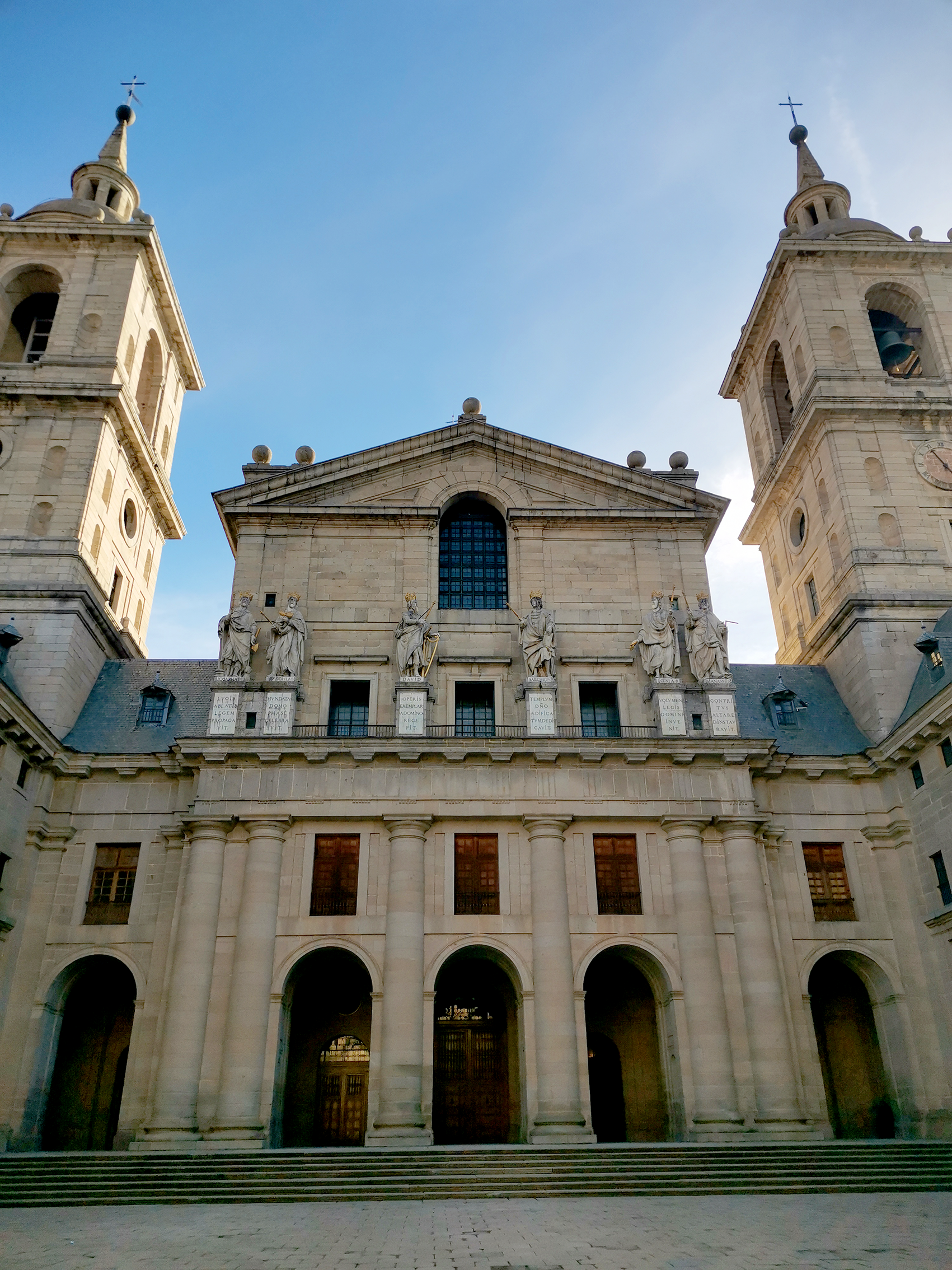
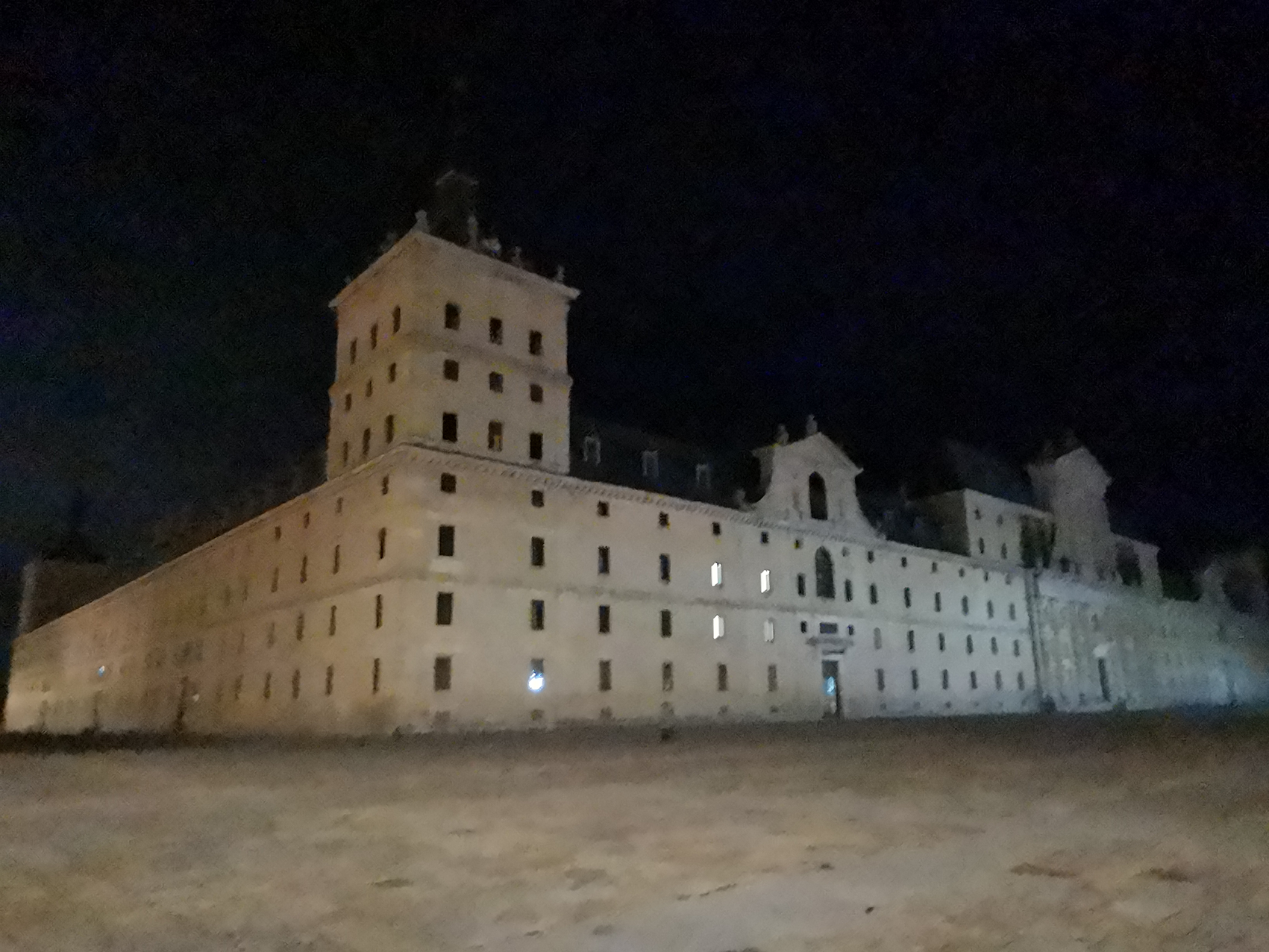
Discover the majesty of the royal site. It was promoted by King Philip II and the architects were Juan Bautista de Toledo and Juan de Herrera.
The monastery has a unique combination of functions and serves as a monastery, royal palace, royal pantheon, library and college. It represents the Spanish Golden Age in all its architectural, cultural and religious grandeur
Two fundamental reasons drove the construction of this colossal monument. First, it was built as the final resting place for Philip II’s father, Charles V. The second reason is a commemorative one, marked by Philip II’s victory in the battle of San Quintín on August 10, 1557, the day of San Lorenzo. The battle was important for the Spanish Empire and its allies and helped consolidate the Spanish monarch’s position in Europe and weaken the position of France. The battle had important political and strategic consequences in the context of the wars of religion in France and in the general struggle for dominance in Europe between the Catholic and Protestant powers.
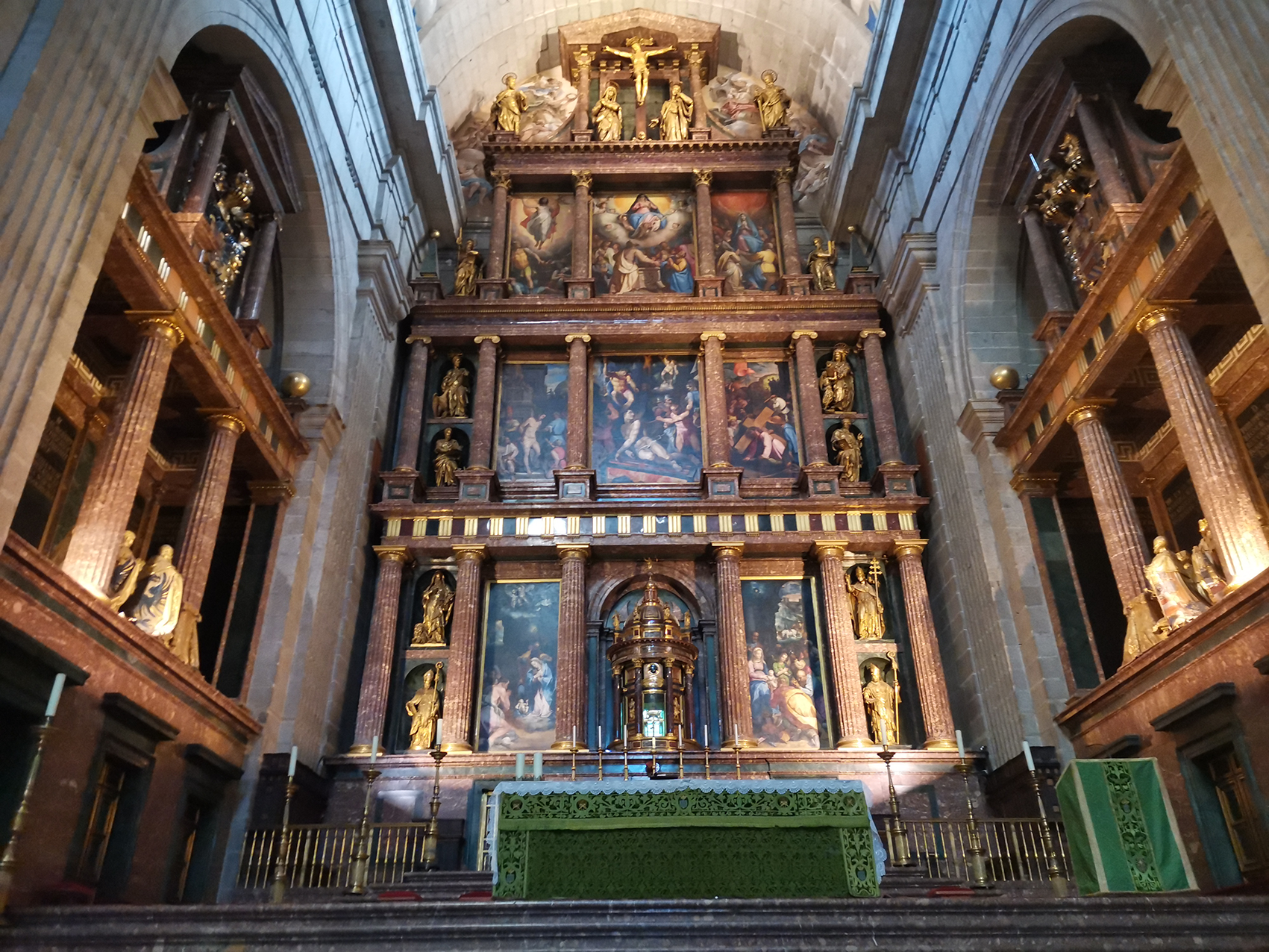
The Monastery of San Lorenzo de El Escorial stands out for its many facets. The architectural structure, the Basilica, the Courtyard of the Kings, the Royal Palace, the Library, Royal Pantheons and Gardens.
In summary, the Monastery of San Lorenzo de El Escorial is an architectural masterpiece that combines religious and royal functions. Its impressive design and rich history make it one of the most emblematic places in Spain. Allow yourself to admire the grandeur of this imposing building, which remains a landmark in Spanish history.
As a bonus, I can tell you that I also visit the Royal Monastery of Guadalupe, a World Heritage Site.
Map
Other tours: National Heritage
More tours from this category.
See all our visits.